
























Private Label vs OEM Coffee Capsules: What’s the Practical Difference
A buyer says they need private label coffee capsules. Another asks for OEM. A third uses both terms in the same email to describe exactly

Quando si sente parlare di “alluminio per uso alimentare”, spesso si pensa che si tratti di un tipo speciale di metallo. In realtà, non è così semplice. Non esiste una singola lega di alluminio ufficialmente denominata “alluminio per uso alimentare”. Il termine descrive invece materiali in alluminio che, se abbinati a rivestimenti e processi di produzione adeguati e nel rispetto delle normative vigenti, sono idonei per applicazioni a contatto con gli alimenti.

Nel caso delle capsule di caffè, questo aspetto è più importante di quanto molti credano. Ogni capsula entra a stretto contatto con il caffè tostato durante le fasi di riempimento, stoccaggio, trasporto e preparazione. La scelta del materiale giusto non riguarda solo il rispetto delle normative, ma influisce anche sull’uniformità della produzione, sulla qualità del prodotto e sulla fiducia a lungo termine nel marchio.
Uno dei malintesi più diffusi è che l’alluminio per uso alimentare dipenda esclusivamente dalla lega.
In pratica, i produttori valutano il sistema di confezionamento nel suo complesso. L’alluminio in sé è importante, ma lo sono anche il rivestimento a contatto con gli alimenti, gli inchiostri da stampa, il processo di formatura e le procedure di controllo qualità. Una capsula è considerata idonea al confezionamento alimentare solo quando tutti questi elementi interagiscono tra loro e sono conformi alle normative vigenti.
Per le capsule di caffè in alluminio, la lega di alluminio 8011 è uno dei materiali più comunemente utilizzati poiché offre un’eccellente formabilità durante l’imbutitura profonda, pur mantenendo la resistenza necessaria per la produzione commerciale. Tuttavia, l’utilizzo del solo alluminio 8011 non rende automaticamente una capsula “idonea al contatto con gli alimenti”. Il prodotto finito deve inoltre soddisfare i requisiti relativi al contatto con gli alimenti previsti dal mercato di destinazione.
Nella maggior parte dei paesi i materiali a contatto con gli alimenti sono soggetti a normative, poiché gli imballaggi non devono influire negativamente sugli alimenti che contengono.
Nell'Unione europea, i materiali destinati a venire a contatto con gli alimenti sono disciplinati dal regolamento (CE) n. 1935/2004. Il regolamento stabilisce che i materiali destinati a venire a contatto con gli alimenti non devono trasferire i propri componenti negli alimenti in quantità tali da mettere a rischio la salute umana o da provocare alterazioni inaccettabili nella composizione o nel sapore degli alimenti.
Negli Stati Uniti, i materiali a contatto con gli alimenti sono regolamentati dalla Food and Drug Administration (FDA) statunitense. A seconda dell'applicazione, i produttori potrebbero inoltre dover garantire che i rivestimenti e gli altri materiali siano conformi ai requisiti pertinenti della FDA.
Per i marchi di caffè che esportano a livello internazionale, comprendere tempestivamente queste normative aiuta a evitare ritardi durante gli audit dei clienti, la registrazione dei prodotti e lo sdoganamento.
Le capsule di caffè sono soggette a condizioni che molti altri imballaggi alimentari non subiscono.
Durante l'erogazione, i sistemi a capsule per caffè espresso funzionano a temperature e pressioni elevate. Ad esempio, molte macchine Nespresso® Original utilizzano sistemi a pompa con una pressione nominale fino a 19 bar. Sebbene la pressione effettiva di estrazione all'interno del letto di caffè sia inferiore, la capsula stessa deve comunque mantenere la propria integrità strutturale durante l'intero processo di erogazione.
Ecco perché i produttori prestano grande attenzione non solo alla sicurezza alimentare, ma anche alla precisione dimensionale, allo spessore delle pareti, alle prestazioni del rivestimento e alla qualità della sigillatura. Ogni fase della produzione contribuisce all’esperienza finale di preparazione della birra.
Per i marchi di caffè, la scelta dell’alluminio per uso alimentare non dovrebbe limitarsi a verificare se un fornitore sia in possesso di un certificato.
È invece importante comprendere l’intero processo di produzione. Quale lega di alluminio viene utilizzata? Che tipo di rivestimento viene applicato all’interno della capsula? Come viene controllata la qualità della produzione? Il produttore è in grado di fornire la documentazione relativa alla conformità al contatto con gli alimenti?
I fornitori con esperienza dovrebbero essere in grado di rispondere chiaramente a queste domande e di spiegare in che modo i materiali, la produzione e il controllo qualità interagiscono tra loro.
Un certificato è importante, ma è un sistema di produzione stabile che permette di mantenere una qualità costante nel tempo.
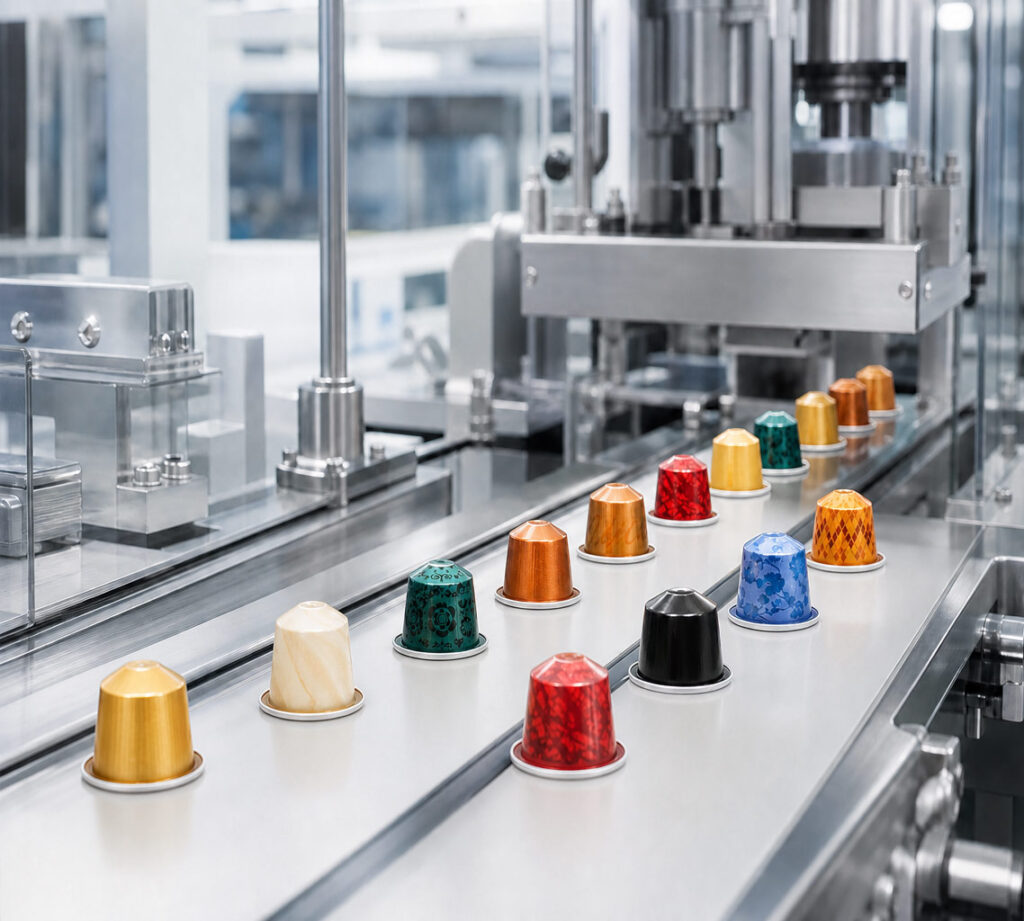
Il rispetto delle normative in materia di contatto con gli alimenti è il punto di partenza, non il traguardo.
Con l'aumentare delle aspettative dei consumatori, i marchi di caffè prestano sempre maggiore attenzione alla qualità del packaging, all'uniformità della produzione e all'affidabilità dei fornitori. L'alluminio per uso alimentare è uno degli elementi fondamentali di questo contesto, poiché contribuisce alla realizzazione di capsule di caffè sicure, affidabili e adatte alla produzione commerciale a lungo termine.
Sia per i produttori che per gli acquirenti, comprendere il vero significato dell’espressione “adatto al contatto con gli alimenti” consente di prendere decisioni di approvvigionamento più oculate e di ottenere prodotti di qualità superiore.

Specialista nella produzione di capsule di caffè · Kervoo
Dal 2024
A buyer says they need private label coffee capsules. Another asks for OEM. A third uses both terms in the same email to describe exactly
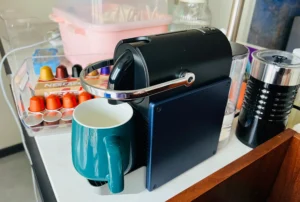
A perfect sample is reassuring. It looks right. The color is right. It drops into the machine smoothly and brews without leaking. Put ten more

Una buona presentazione non equivale a prove valide. Il sito web, il catalogo e la presentazione commerciale di un fornitore sono utili punti di partenza. Possono fornirti informazioni su