



















Private Label vs OEM Coffee Capsules: What’s the Practical Difference
A buyer says they need private label coffee capsules. Another asks for OEM. A third uses both terms in the same email to describe exactly
Seiring dengan masuknya industri kopi ke tahap perkembangan baru, pembahasan kini tidak lagi hanya berfokus pada volume panen dan harga komoditas. Laporan Tahunan Organisasi Kopi Internasional (ICO) 2024/25 menyoroti bahwa industri ini semakin dipengaruhi oleh keberlanjutan, kerja sama internasional, ketahanan rantai pasokan, dan penciptaan nilai jangka panjang. Meskipun laporan tersebut tidak secara khusus membahas kemasan kopi, banyak temuan di dalamnya memiliki implikasi langsung bagi merek kopi, importir, dan produsen kemasan.
Menurut laporan tersebut, produksi kopi global mencapai 177,5 juta karung seberat 60 kg pada tahun kopi 2024, sementara konsumsi global mencapai 175,1 juta karung. Hal ini mengakibatkan surplus global yang relatif kecil, yaitu sekitar 2,4 juta karung, dibandingkan dengan defisit sebesar 3,9 juta karung pada tahun sebelumnya. Meskipun keseimbangan pasokan dan permintaan telah membaik, laporan tersebut menegaskan bahwa industri kopi terus beroperasi di pasar di mana peristiwa iklim, logistik, dan ketidakpastian geopolitik dapat dengan cepat mengubah kondisi pasokan.
Salah satu perkembangan paling signifikan yang disoroti dalam Laporan Tahunan adalah peran ICO yang semakin besar dalam diskusi kebijakan internasional. Selama periode 2024/25, organisasi ini menjadi Pengamat di Majelis Umum PBB dan secara aktif berpartisipasi dalam inisiatif Global Coffee Fund yang dipimpin oleh G7. Perkembangan ini mencerminkan pengakuan yang lebih luas bahwa kopi tidak lagi dipandang sekadar sebagai komoditas pertanian, melainkan sebagai industri penting yang terkait dengan pembangunan pedesaan, kelestarian lingkungan, dan perdagangan internasional.
Perubahan ini juga menandakan adanya pergeseran ekspektasi di seluruh rantai pasokan. Pemerintah, organisasi internasional, merek kopi, dan pemasok kini lebih menekankan pada transparansi, ketahanan, dan praktik bisnis yang bertanggung jawab daripada sebelumnya.
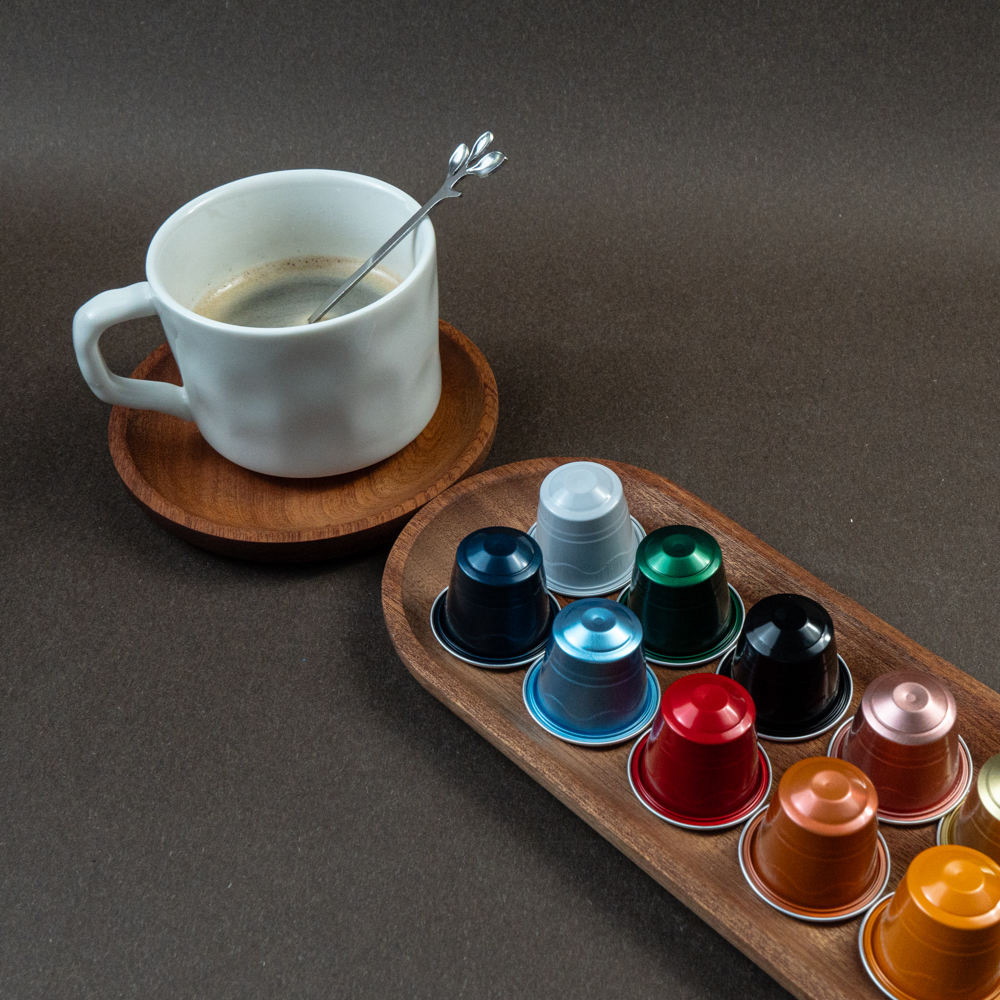
Salah satu pesan terpenting dari laporan tersebut adalah bahwa stabilitas kini telah menjadi keunggulan kompetitif.
Produksi kopi semakin terpengaruh oleh cuaca ekstrem dan variabilitas iklim. Bahkan pada tahun di mana produksi global melebihi konsumsi, gangguan lokal tetap dapat memengaruhi ketersediaan, harga, dan keputusan pembelian. Laporan tersebut mencatat bahwa Amerika Selatan tetap menjadi kawasan pengekspor terbesar di dunia, menyumbang sekitar 44,7% dari total ekspor kopi global, sementara Asia dan Oseania menyumbang sekitar 31,9%. Konsentrasi ini berarti bahwa peristiwa cuaca di tingkat regional dapat menimbulkan konsekuensi global.
Bagi merek kopi, menjaga kualitas produk kini sama pentingnya dengan memastikan ketersediaan bahan baku. Kopi hijau merupakan investasi yang signifikan, dan menjaga kualitasnya setelah proses pemanggangan sangat penting untuk mempertahankan nilai merek.
Meskipun kemasan tidak terlalu mendapat sorotan langsung dalam laporan ICO, perubahan prioritas di industri ini membuat perannya semakin penting.
Menurut Laporan Tahunan, kopi hijau menyumbang 86,5% dari total ekspor kopi global selama delapan bulan pertama tahun kopi 2025/26, sedangkan kopi larut menyumbang 13,0% dan kopi sangrai hanya 0,5%. Hal ini menunjukkan bahwa sebagian besar kopi masih menempuh jarak jauh sebelum sampai ke tangan konsumen, sehingga perlindungan produk menjadi bagian penting dari rantai pasokan.
Untuk kopi sangrai dan kapsul kopi, paparan terhadap oksigen, kelembapan, dan cahaya dapat secara bertahap memengaruhi aroma dan kesegaran produk. Karena itu, banyak merek kopi premium terus berinvestasi dalam solusi pengemasan yang dirancang untuk membantu menjaga kualitas produk selama proses pengangkutan dan penyimpanan.
Menurut European Aluminium, aluminium berfungsi sebagai penghalang yang efektif terhadap oksigen, kelembapan, dan cahaya, sehingga banyak digunakan dalam kemasan makanan di mana perlindungan produk sangat penting.
Laporan Tahunan ICO menunjukkan bahwa industri kopi di masa depan akan lebih mengutamakan ketahanan, kualitas, keberlanjutan, dan kemitraan jangka panjang daripada sekadar pertimbangan biaya jangka pendek.
Bagi produsen kapsul kopi, tren ini membuka peluang baru. Merek-merek kopi semakin mencari pemasok yang mampu menjamin kualitas yang konsisten, produksi yang stabil, kepatuhan terhadap standar kontak pangan, serta rantai pasokan yang andal. Kemasan tidak lagi dipandang sekadar sebagai wadah—kemasan kini telah menjadi bagian dari pengalaman produk dan elemen penting dalam positioning merek.
Seiring dengan terus berkembangnya pasar kopi, perusahaan-perusahaan yang memadukan produk berkualitas tinggi dengan proses produksi yang andal serta kerja sama jangka panjang kemungkinan besar akan berada dalam posisi yang lebih baik untuk meraih pertumbuhan di masa depan.
Organisasi Kopi Internasional (ICO), Laporan Tahunan 2024/25: https://www.ico.org/documents/cy2025-26/annual-review-2024-2025-e.pdf

Spesialis Produksi Kapsul Kopi · Kervoo
Sejak tahun 2024
A buyer says they need private label coffee capsules. Another asks for OEM. A third uses both terms in the same email to describe exactly
A perfect sample is reassuring. It looks right. The color is right. It drops into the machine smoothly and brews without leaking. Put ten more

Presentasi yang Baik Belum Tentu Sama dengan Bukti yang Baik. Situs web, katalog, dan presentasi penjualan dari pemasok merupakan titik awal yang berguna. Hal-hal tersebut dapat memberi Anda informasi