








Private Label vs OEM Coffee Capsules: What’s the Practical Difference
A buyer says they need private label coffee capsules. Another asks for OEM. A third uses both terms in the same email to describe exactly
Aynı talebi üç farklı kahve kapsülü üreticisine gönderdiyseniz, muhtemelen ilk kez alışveriş yapan hemen hemen herkesin kafasını karıştıran o anı yaşamışsınızdır.
Bir tedarikçi 5.000 kapsülün yeterli olduğunu söylüyor. Bir diğeri ise 20.000 ile başlamayı öneriyor. Üçüncüsü ise, çok daha büyük bir hacme taahhüt vermeye hazır olana kadar projeyi görüşmeye bile yanaşmıyor.
Dikkatli bir karar vermeye çalışan bir alıcı için bu tutarsızlık sinir bozucu olabilir. Ayrıca yanıltıcı da olabilir; zira bu durum, o tedarikçilerden birinin mantıksız davrandığını düşündürürken, gerçekte durum genellikle çok daha basittir.
Sadece farklı ürünlerden bahsediyorlar.
Bir depo rafında duran standart bir alüminyum kapsül, yeni renkler, baskılı kapaklar ve markalı ambalaj gerektiren özel tasarımlı, özel etiketli bir ürünle aynı şey değildir. Bu iki senaryonun ardındaki üretim çabası neredeyse karşılaştırılamaz düzeydedir ve minimum sipariş miktarı, bu farkın en doğrudan yansımalarından biridir.
İşte bu yüzden asıl soru “En düşük MOQ’su kimde?” değil. Asıl soru “Şu anda işletmeme en uygun üretim yaklaşımı hangisi?“
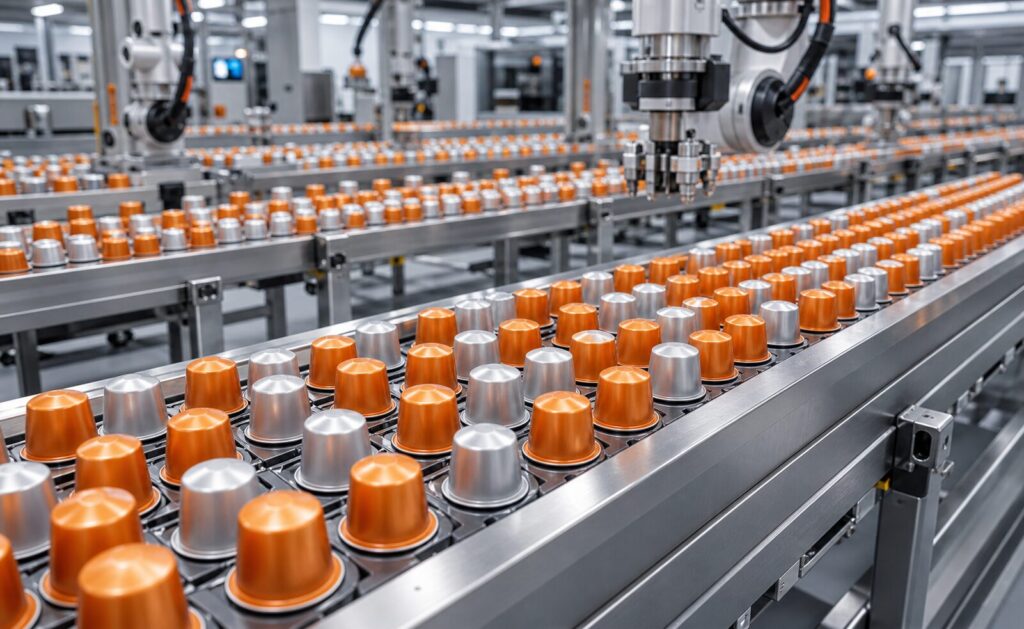
Minimum sipariş miktarı (MOQ) rakamları farklılık gösterdiğinde, bir fabrikanın diğerine göre daha “esnek” olduğunu varsaymak cazip gelebilir. Uygulamada ise bu farklılık genellikle üç faktöre bağlıdır: ürün türü, özelleştirme düzeyi ve üretim planlaması.
Stokta bulunan ürünler, halihazırda üretimde oldukları veya stokta mevcut oldukları için genellikle nispeten küçük miktarlarda tedarik edilebilir. Fabrika, yeni bir tasarım için yeni kalıplar hazırlamak, özel malzemeler sipariş etmek veya makineleri ayarlamak zorunda kalmaz.
Öte yandan, kişiye özel ürünler farklı bir noktadan başlar. Kapsül tasarımında yapılan her değişiklik —ister yeni bir renk, ister basılı bir logo, ister kabartmalı bir desen, ister özel bir kapak kaplaması olsun— üretim sürecine bir adım daha ekler. Bu hazırlık adımlarının çoğu, nihai sipariş 10.000 kapsül ya da 100.000 kapsül olsun, yaklaşık olarak aynı süreyi alır.
Üretim planlaması da önemlidir. Üretim takvimi zaten dolu olan bir fabrika, diğer projeleri aksatmadan küçük bir özel siparişi verimli bir şekilde yerine getiremeyebilir.
İşte bu nedenle, iki üretici kağıt üzerinde birbirine çok benziyor olsa da, tamamen farklı minimum sipariş miktarları (MOQ) teklif edebilir. Tutarsız davranmıyorlar. Sadece fabrikalarının işleyişindeki gerçekleri yansıtıyorlar.
Her ne kadar sabit bir sektör standardı bulunmasa da, çoğu üreticide geçerli olan birkaç genel eğilim vardır.
Ürün değerlendirmesi için neredeyse her zaman numune temin edilebilir. İster belirli bir kahve makinesiyle uyumluluğu test ediyor olun, ister sadece bir kapsülün görsel kalitesini inceliyor olun, numuneler genellikle herhangi bir OEM projesinin ilk adımıdır.
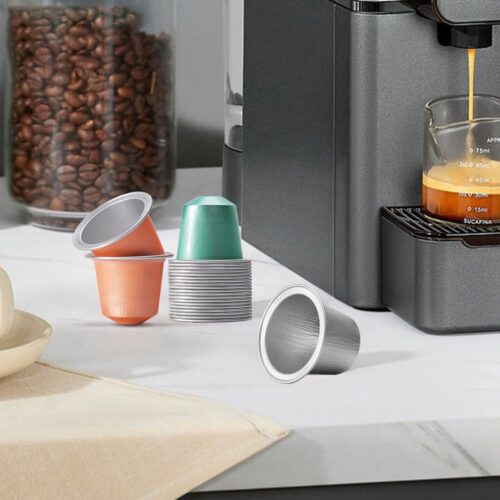
Stok renginde standart alüminyum kahve kapsülleri satın alıyorsanız, birçok üretici mevcut stoklarından tedarik sağlayabilir. Bu durumlarda, minimum sipariş miktarları genellikle tek bir karton kadar düşük olabilir.
Bununla birlikte, tamamen özelleştirilmiş OEM projeleri söz konusu olduğunda, üretim ekonomisi tasarım başına yaklaşık 20.000 kapsülden itibaren daha mantıklı hale gelmeye başlar. Bu, genellikle kurulum maliyetlerinin sipariş genelinde daha verimli bir şekilde dağıtılabildiği ve üreticilerin karmaşıklığı önemli ölçüde artırmadan daha geniş bir özelleştirme seçenekleri yelpazesi sunabildiği noktadır.
Bu, daha küçük ölçekli özel siparişlerin imkansız olduğu anlamına gelmez. Sadece kapsül başına maliyetin daha yüksek olabileceği ve özelleştirme seçeneklerinin daha sınırlı olabileceği anlamına gelir.
Özellikle yeni bir ürün söz konusu olduğunda, MOQ’ya yaklaşmanın daha pratik bir yolu, bunu katı bir minimum miktar olarak değil, üretimin başlangıç noktası olarak düşünmektir. Üreticiye, projeniz için birim maliyet, özelleştirme esnekliği ve teslim süresi açısından en uygun kombinasyonu hangi sipariş miktarı ile elde edebileceğinizi sorun.
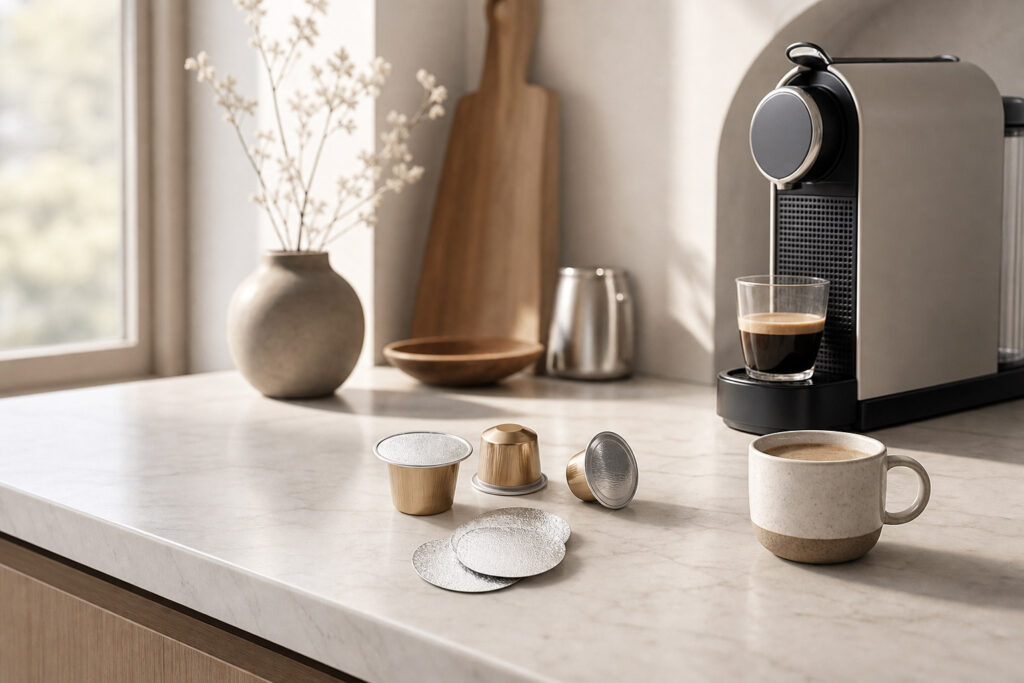
Her kahve markasının başlangıç noktası farklıdır.
Bazı müşteriler halihazırda piyasaya sürülmüş bir ürüne sahip ve sadece daha güvenilir bir üretim ortağı arıyor. Diğerleri ise ilk kapsül ürünlerini piyasaya sürüyor ve daha büyük üretim hacimlerine geçmeden önce pazarı test etmek istiyor.
Bu durumlar aynı şekilde ele alınmamalıdır.
Bu nedenle, tek bir minimum sipariş miktarının her proje için uygun olacağına inanmıyoruz.
Hâlâ tedarikçileri değerlendiriyor veya dolum ekipmanınızla uyumluluğu kontrol ediyorsanız, seri üretime geçmeden önce numune talebinde bulunabilirsiniz. Bu, daha büyük bir taahhütte bulunmadan önce kapsülün görünümünü, boyutlarını ve uyumunu incelemek için basit bir yoldur.
Standart alüminyum kahve kapsülleri için siparişler bir kartondan başlayabilir (4.000 kapsül), stok durumuna bağlı olarak.
OEM projeleri söz konusu olduğunda, genellikle tasarım başına yaklaşık 20.000 kapsülden başlanmasını öneriyoruz. Bu seviyede, özel renkler, logo baskısı, kabartmalı detaylar ve markalı ambalajlar konusunda genellikle çok daha fazla esneklik sağlanırken, üretim de önemli ölçüde daha verimli hale gelir.
Müşterileri ihtiyaçlarından fazlasını satın almaya teşvik etmek yerine, amacımız her iki taraf için de ticari açıdan mantıklı bir sipariş hacmi önermektir.
Minimum sipariş miktarı (MOQ), özelleştirme ile yakından ilgilidir.
Bir ürün ne kadar benzersiz hale gelirse, üretim başlamadan önce genellikle o kadar fazla hazırlık yapılması gerekir. Bu, projenin mutlaka daha karmaşık hale geldiği anlamına gelmez; sadece perde arkasında daha fazla planlama yapıldığı anlamına gelir.
OEM kahve kapsülü projelerinin çoğu üç ana bileşene odaklanır: kapsül gövdesi, kapak ve sızdırmazlık halkası.
Çoğu kahve markası için, ürünün tanınırlığı kapsül gövdesinden itibaren başlar.
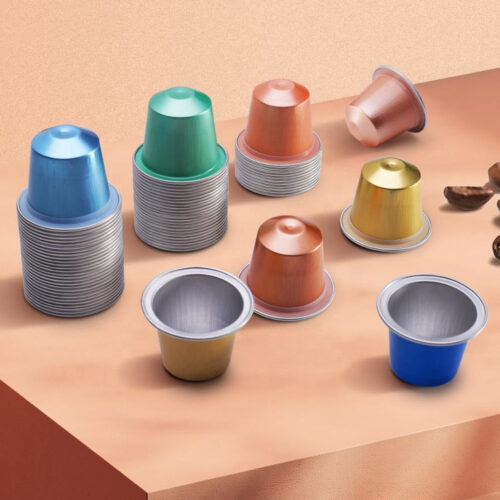
Standart bir görünüm kullanmak yerine, birçok marka ambalajlarına veya marka kimliklerine uygun renkler ve yüzey kaplamaları tercih ediyor. Bazıları ise ürünü daha ayırt edici hale getirmek için logo baskısı veya kabartmalı detaylar ekliyor.
Mevcut özelleştirme seçenekleri şunlardır:
• Metalik yüzeyler
• Mat yüzeyler
• Çok renkli tasarımlar
• Logo baskısı
• Alt kısımda kabartma
• Teknik olarak mümkün olduğu ölçüde özel şekiller ve boyutlar

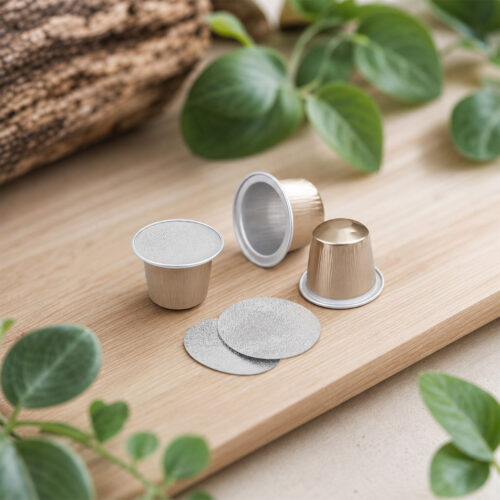
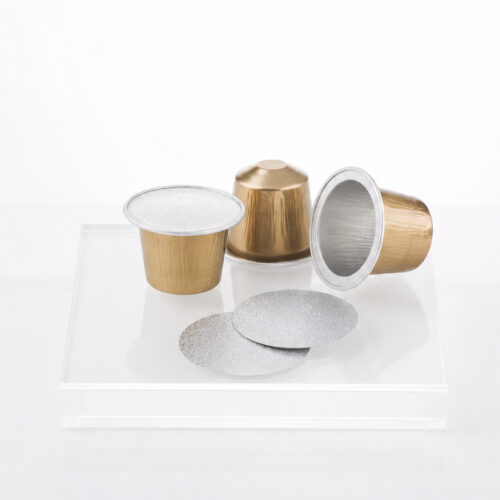
Kapak genellikle gözden kaçar, ancak tüketicilerin bir kapsül kutusunu açtıklarında ilk gördükleri şeylerden biridir.
Sızdırmazlık performansının yanı sıra, markalaşma açısından da bir fırsat sunuyor.
Projeye bağlı olarak, markalar çeşitli standart yüzey kaplamaları arasından seçim yapabilir veya özel kalıplar kullanarak kendilerine özgü kabartma desenler geliştirebilirler.
Tipik seçenekler arasında şunlar yer alır:
• Parlak yüzey
• Mat yüzey
• Dokulu yüzey
• Uyumlu folyo kapaklara logo baskısı
• Özel kabartmalı desenler
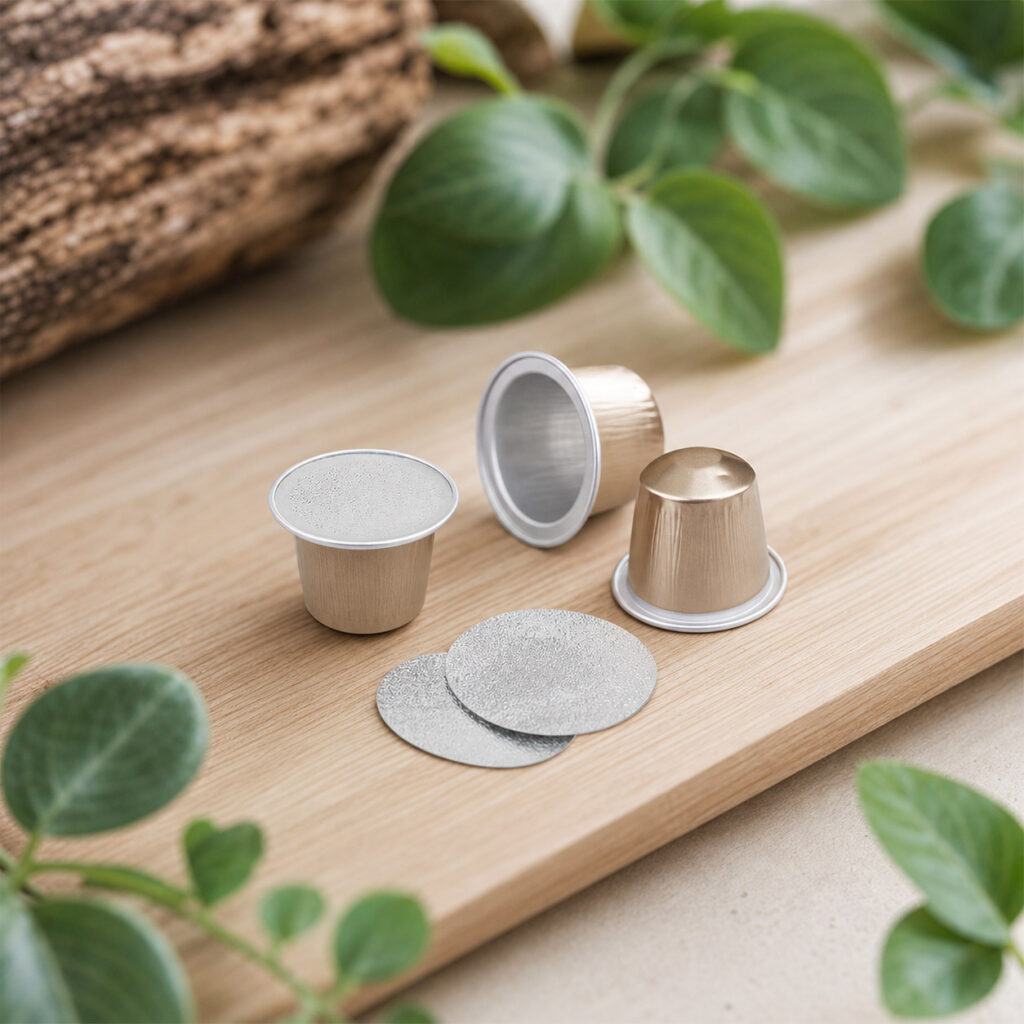
Her ne kadar göze pek çarpmasa da, sızdırmazlık halkası demleme sürecinde önemli bir rol oynar.
Geleneksel PP ve PE çözümlerinden daha çevre dostu alternatiflere kadar, farklı malzemeler farklı ürün konumlandırmalarını destekleyebilir.
Mevcut malzemeler şunlardır:
• PP
• Beden Eğitimi
• Bambu lifi + PLA
• Baskıya uygun bambu lifi + PLA
Sürdürülebilirliğe önem veren markalar için bambu elyafı çözümleri giderek daha popüler bir seçenek haline geliyor.
Bir konu, şaşırtıcı derecede sık gündeme geliyor.
Bir alıcı, ilk siparişi olabildiğince küçük tutmak ister — ki bu tamamen anlaşılabilir bir durumdur. Her yeni ürün, bir miktar belirsizlik barındırır.
Ancak, yalnızca mümkün olan en düşük minimum sipariş miktarına odaklanmak, bazen projenin toplam maliyetini artırabilir.
Biraz daha büyük bir üretim hacmi, genellikle kapsül başına maliyeti düşürür, özelleştirme için daha fazla imkân sunar ve üretim planlamasını çok daha verimli hale getirir. Birçok OEM projesinde, bu denge, sadece mevcut en küçük miktarı sipariş etmekten daha değerli olduğu ortaya çıkmaktadır.
MOQ, aslında en düşük rakamı bulmakla ilgili değildir. Doğru başlangıç noktasını bulmakla ilgilidir.
Sık sık duyduğumuz bir varsayım şudur: “Minimum sipariş miktarı ne kadar düşükse, tedarikçi o kadar iyidir.“
Kulağa mantıklı geliyor, ama imalat sektörü her zaman böyle işlemiyor.
Olağandışı derecede düşük bir minimum sipariş miktarı (MOQ) sunan bir tedarikçi, markanız için özel olarak bir ürün üretmek yerine, sadece standart stok ürünlerini satıyor olabilir. Özelleştirme imkânları sınırlıysa, üretim çok daha kolay hale gelir ve bu da doğal olarak daha küçük sipariş miktarlarına imkân tanır.
Bunun tam tersi de geçerli olabilir.
Daha yüksek bir minimum sipariş miktarı (MOQ) öneren bir üretici, mutlaka esnek davranmıyor anlamına gelmez. Bu üretici, özel üretim planlıyor, projeniz için özel olarak hammadde satın alıyor ya da daha büyük partiler için tasarlanmış yüksek düzeyde otomatikleştirilmiş üretim hatlarını işletiyor olabilir.
Her iki yaklaşım da doğası gereği daha iyi değildir. Bu, neyi başarmaya çalıştığınıza bağlıdır.
Amacınız minimum yatırımla yeni bir ürünü test etmekse, daha düşük bir minimum sipariş miktarı (MOQ) mantıklı olabilir. Özel ambalaj ve istikrarlı tedarik ile uzun vadeli bir marka oluşturuyorsanız, biraz daha büyük bir ilk sipariş genellikle zaman içinde daha fazla değer sağlayabilir.
Fiyat teklifi isterken, sadece miktarı belirtmeyin.
Bir üretici, projenizi bir bütün olarak anlarsa çok daha isabetli önerilerde bulunabilir.
Özellikle yararlı olan bilgiler şunlardır:
• Hangi kapsül sistemine ihtiyacınız var? (Nespresso® Original uyumlu mu, yoksa başka bir format mı?)
• Boş kapsüller mi arıyorsunuz, yoksa doldurma çözümü mü?
• Özel renkler, logo baskısı veya perakende ambalajına ihtiyacınız var mı?
• Tahmini yıllık talebiniz nedir?
• Ürün hangi pazarda satılacak?
Bu ayrıntılar, genellikle sadece minimum sipariş miktarı (MOQ) konusundan daha verimli bir görüşme ortamı yaratır ve üreticilerin hem bütçenize hem de uzun vadeli planlarınıza uygun çözümler önermesine olanak tanır.
MOQ, alıcıların sorduğu ilk sorulardan biridir, ancak nadiren en önemli soru olur.
Başarılı bir OEM projesi, sadece minimum sipariş miktarından ibaret değildir. Ürün kalitesi, üretim tutarlılığı, teknik destek, teslim süreleri, özelleştirme imkânları ve net iletişim, bir projenin sorunsuz bir şekilde yürütülüp yürütülmeyeceğini belirleyen faktörlerdir.
En iyi üretim ortağı, her zaman en düşük minimum sipariş miktarını (MOQ) sunan firma değildir. Çoğu zaman, ürününüzü anlayan, artıları ve eksileri net bir şekilde açıklayan ve işletmenizin büyümesine paralel olarak onu destekleyecek bir üretim planı seçmenize yardımcı olan firmadır.
Hâlâ tedarikçileri karşılaştırıyorsanız, soru sormaktan çekinmeyin. İyi bir üretici, sizin onların projesini anlamaya gösterdiğiniz ilgiyle aynı derecede sizin projenizi anlamaya ilgi göstermelidir.

Kahve Kapsülü Üretim Uzmanı · Kervoo
2024'ten beri
A buyer says they need private label coffee capsules. Another asks for OEM. A third uses both terms in the same email to describe exactly
A perfect sample is reassuring. It looks right. The color is right. It drops into the machine smoothly and brews without leaking. Put ten more

İyi bir sunum, iyi bir kanıtla aynı şey değildir. Bir tedarikçinin web sitesi, kataloğu ve satış sunumu, faydalı başlangıç noktalarıdır. Bunlar size şunları anlatabilir: