
























Private Label vs OEM Coffee Capsules: What’s the Practical Difference
A buyer says they need private label coffee capsules. Another asks for OEM. A third uses both terms in the same email to describe exactly

Sebelum sebuah kapsul kopi berbahan aluminium sampai ke jalur pengisian, kapsul tersebut telah melalui proses produksi yang ternyata sangat rumit.
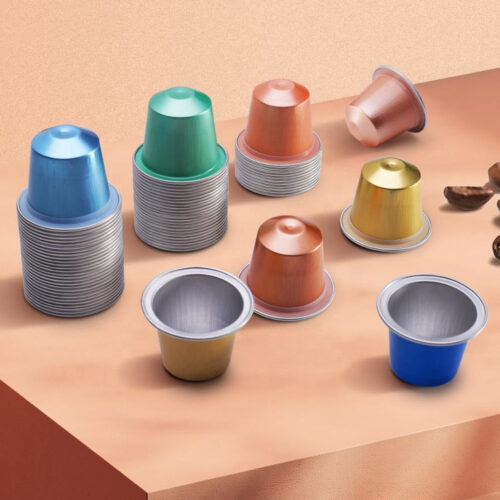
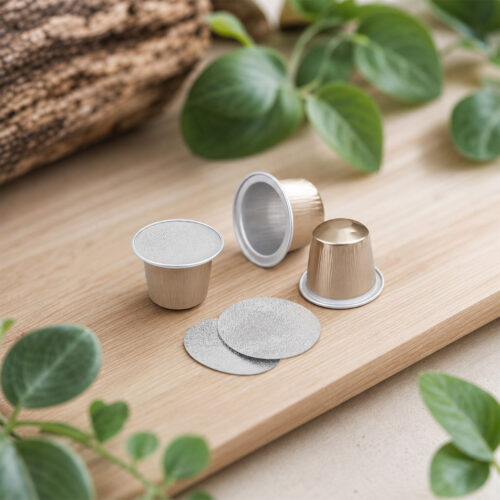
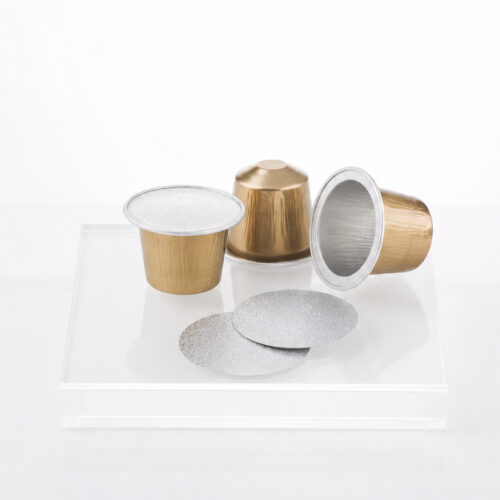
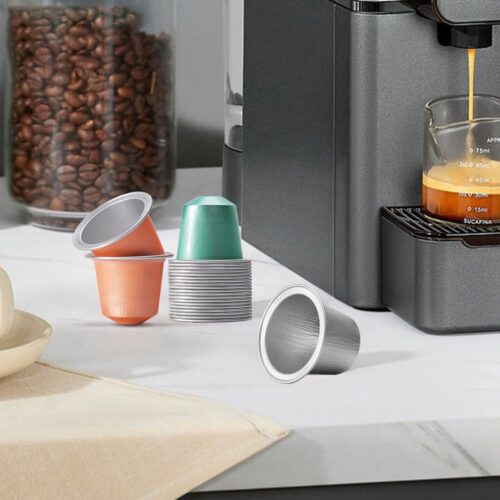
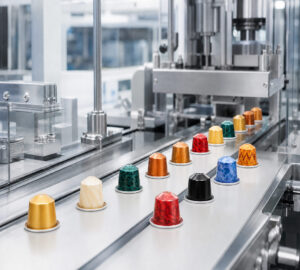
Dari luar, sebuah kapsul kosong tampak sederhana. Kapsul ini ringan, tipis, dan beratnya hanya sekitar satu gram. Namun, wadah kecil ini harus mampu menahan proses ekstraksi kopi bertekanan tinggi, mempertahankan dimensi yang presisi untuk peralatan pengisian otomatis, serta memberikan segel yang andal setelah diisi dengan kopi.

Bagi merek kopi dan perusahaan label pribadi, memahami bagaimana kapsul kopi aluminium kosong diproduksi bukan sekadar hal yang menarik—hal ini juga membantu menjelaskan mengapa konsistensi produksi, ketepatan dimensi, dan pemilihan bahan sangat penting saat memilih pemasok.
Fakta Singkat
| Bahan | Paduan Aluminium Kelas Pangan 8011 |
| Proses Produksi | Pengepresan Dalam & Pembentukan Presisi |
| Ketebalan Dinding Umum | Sekitar 70–120 μm |
| Berat Kapsul Kosong | Sekitar 1,0–1,2 g (tergantung pada desainnya) |
| Permukaan Akhir | Halus, Matte, Matte Bertekstur |
| Dosis Kopi per Kapsul | 5–6 g (tergantung format) |
| Sistem yang Kompatibel | Nespresso® Asli dan Kompatibel |
| Pemeriksaan Kualitas | Pemeriksaan Dimensi, Pemeriksaan Visual, Uji Kebocoran (dengan tutup yang sesuai selama proses validasi) |
| Penyesuaian | OEM, Merek Pribadi, Warna Sesuai Pesanan, Pencetakan Logo |
Setiap kapsul awalnya berbentuk gulungan aluminium foil, bukan cangkir yang sudah jadi.
Dalam industri kapsul kopi, paduan aluminium 8011 merupakan salah satu bahan yang paling umum digunakan karena menggabungkan kemampuan pembentukan yang baik dengan kekuatan yang andal setelah proses pembentukan. Selama proses produksi, aluminium tersebut harus diregangkan hingga terbentuk tanpa menimbulkan retakan-retakan kecil di sekitar dinding samping atau tepi. Bahkan cacat yang hampir tak terlihat pun dapat memengaruhi kinerja penyegelan di kemudian hari.
Aluminium yang digunakan untuk kapsul kopi juga jauh lebih tipis daripada yang dibayangkan banyak orang. Dinding kapsul pada umumnya hanya setebal sekitar 70 hingga 120 mikron—kira-kira setebal sehelai rambut manusia. Untuk menghasilkan cangkir yang tipis sekaligus menjaga stabilitas dimensinya, diperlukan peralatan yang presisi dan kualitas bahan yang konsisten.
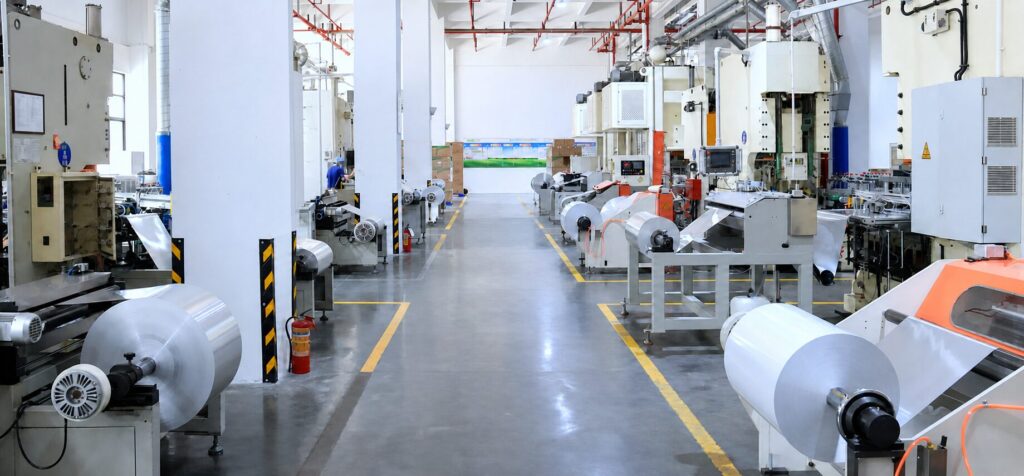
Salah satu bagian yang paling mengesankan dalam proses manufaktur adalah proses pembentukan.
Gulungan aluminium berukuran besar dimasukkan ke dalam mesin pencetakan presisi, di mana bahan tersebut dipotong, diregangkan, dan dibentuk menjadi cangkang kapsul satu per satu dalam proses yang berkelanjutan. Lini produksi modern mampu memproduksi ribuan kapsul setiap jamnya sambil tetap mempertahankan toleransi dimensi yang ketat.
Kapsul ini mungkin sudah terlihat selesai pada tahap ini, tetapi proses pembuatannya masih panjang. Bagian tepinya harus tetap rata, ketebalan dindingnya harus konsisten, dan setiap kapsul harus memiliki dimensi yang sama agar nantinya dapat diproses dengan lancar di jalur pengisian otomatis.
Bagi merek kopi, konsistensi jauh lebih penting daripada kecepatan. Memproduksi satu kapsul yang berkualitas memang mudah. Namun, memproduksi ratusan ribu kapsul yang semuanya memiliki kualitas yang persis sama—di situlah pengalaman di bidang manufaktur menjadi sangat berharga.
Banyak orang memilih antara hasil akhir yang halus, matte, atau matte bertekstur hanya berdasarkan penampilannya saja.
Pada kenyataannya, perlakuan permukaan juga merupakan bagian dari penentuan posisi produk.
Permukaan yang halus menghasilkan tampilan yang bersih dan berkilau, yang sering digunakan oleh merek kopi klasik. Permukaan matte memberikan kesan yang lebih lembut dan mewah, sedangkan permukaan matte bertekstur menambah kedalaman visual serta sensasi sentuhan yang khas. Tak satu pun dari jenis permukaan ini mengubah cara kerja kapsul, namun semuanya memengaruhi persepsi konsumen terhadap produk akhir.
Bagi merek kopi private label, tekstur permukaan telah menjadi cara lain untuk membedakan produk tanpa mengubah struktur kapsul itu sendiri.

Salah satu kesalahpahaman yang umum adalah bahwa pemeriksaan kualitas hanya dilakukan setelah proses produksi selesai.
Pada kenyataannya, para produsen terus-menerus memantau proses tersebut.
Dimensi dipantau sepanjang proses produksi. Cacat permukaan diperiksa. Sampel acak diukur untuk memastikan ukurannya tetap berada dalam batas toleransi produksi. Selanjutnya, saat kapsul diuji kesesuaiannya dengan tutupnya, uji kinerja penyegelan dan uji kebocoran membantu memastikan bahwa sistem pengemasan berfungsi sesuai harapan.
Pengujian kebocoran semakin penting karena kopi dalam kapsul sangat bergantung pada penyegelan yang andal untuk menjaga kesegarannya. Bahkan kapsul yang diproduksi dengan baik pun tidak akan berfungsi sebagaimana mestinya jika proses penyegelannya tidak konsisten.

Setelah kapsul lolos pemeriksaan, kapsul-kapsul tersebut dikemas dengan hati-hati untuk mencegah masuknya debu, terjadinya deformasi, atau kontaminasi sebelum sampai ke fasilitas pengisian milik pelanggan.
Berbeda dengan kapsul kopi yang sudah jadi, kapsul aluminium kosong masih harus diisi, disegel, dan dikemas oleh produsen kopi. Artinya, kapsul-kapsul tersebut harus tiba dalam kondisi yang persis sama seperti saat meninggalkan pabrik.
Inilah salah satu alasan mengapa produsen berpengalaman sangat memperhatikan kemasan dan pengiriman, alih-alih menganggapnya sebagai hal yang sekunder.
Sebuah kapsul kopi aluminium kosong mungkin tampak seperti komponen kecil, tetapi kapsul tersebut memengaruhi hampir setiap tahap produksi kopi.
Pemilihan bahan memengaruhi proses pembentukan. Proses pembentukan memengaruhi ketepatan dimensi. Ketepatan dimensi memengaruhi proses pengisian dan penyegelan. Penyegelan yang andal membantu menjaga kesegaran kopi, dan hal itu pada akhirnya membentuk pengalaman konsumen.
Bagi merek kopi, memilih pemasok kapsul bukan sekadar membeli kemasan. Hal ini berkaitan dengan pemilihan mitra produksi yang mampu menjamin kualitas yang konsisten untuk ribuan—atau bahkan jutaan—kapsul.
Referensi & Sumber

Spesialis Produksi Kapsul Kopi · Kervoo
Sejak tahun 2024
A buyer says they need private label coffee capsules. Another asks for OEM. A third uses both terms in the same email to describe exactly
A perfect sample is reassuring. It looks right. The color is right. It drops into the machine smoothly and brews without leaking. Put ten more

Presentasi yang Baik Belum Tentu Sama dengan Bukti yang Baik. Situs web, katalog, dan presentasi penjualan dari pemasok merupakan titik awal yang berguna. Hal-hal tersebut dapat memberi Anda informasi