
























Private Label vs OEM Coffee Capsules: What’s the Practical Difference
A buyer says they need private label coffee capsules. Another asks for OEM. A third uses both terms in the same email to describe exactly

Bevor eine Kaffeekapsel aus Aluminium die Abfüllanlage erreicht, hat sie bereits einen überraschend komplexen Herstellungsprozess durchlaufen.
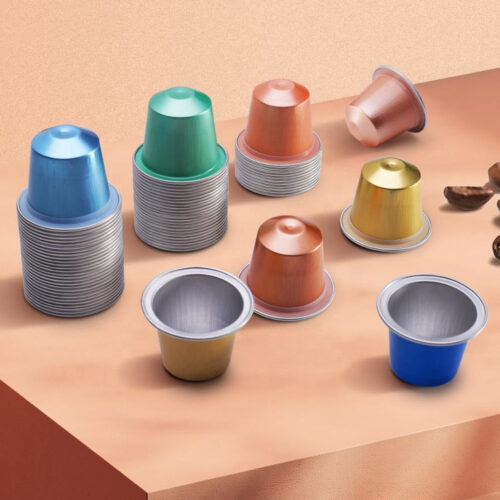
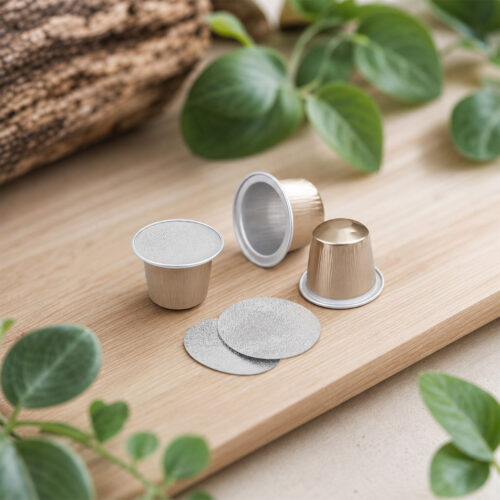
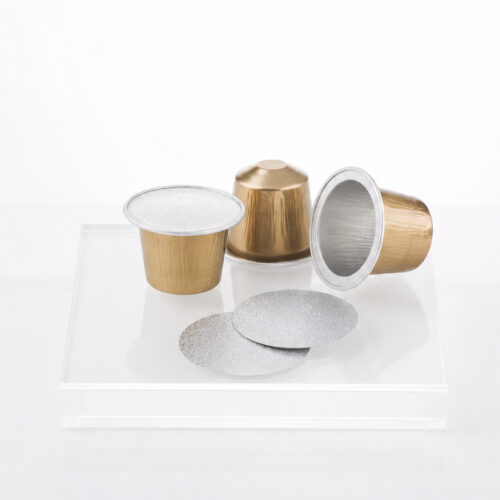
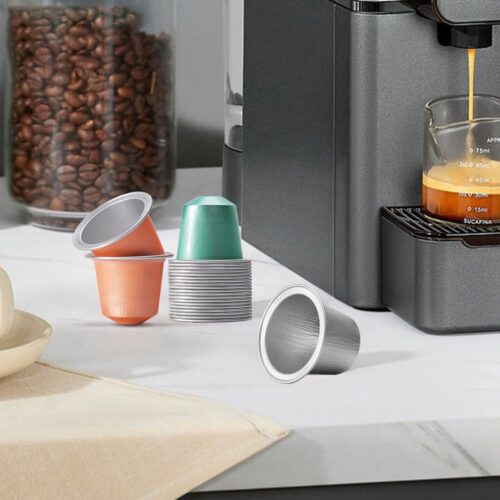
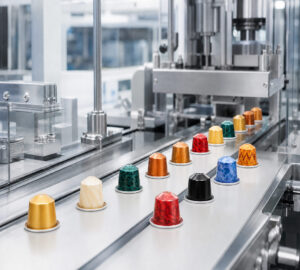
Von außen betrachtet wirkt eine leere Kapsel ganz einfach. Sie ist leicht, dünn und wiegt nur etwa ein Gramm. Dennoch muss diese kleine Kapsel der Kaffeeextraktion unter hohem Druck standhalten, präzise Abmessungen für automatisierte Abfüllanlagen einhalten und nach dem Befüllen mit Kaffee zuverlässig abdichten.

Für Kaffeemarken und Eigenmarkenhersteller ist es nicht nur interessant zu wissen, wie leere Aluminium-Kaffeekapseln hergestellt werden – es hilft auch zu verstehen, warum Produktionskonsistenz, Maßgenauigkeit und Materialauswahl bei der Auswahl eines Lieferanten eine so große Rolle spielen.
Kurzinfo
| Material | Aluminiumlegierung 8011 in Lebensmittelqualität |
| Herstellungsprozess | Tiefziehen und Präzisionsumformen |
| Typische Wandstärke | Etwa 70–120 μm |
| Gewicht der leeren Kapsel | Etwa 1,0–1,2 g (je nach Ausführung) |
| Oberflächenbeschaffenheit | Glatt, matt, strukturiert-matt |
| Kaffeemenge pro Kapsel | 5–6 g (formatabhängig) |
| Kompatible Systeme | Nespresso® – Original-kompatibel |
| Qualitätsprüfung | Maßprüfung, Sichtprüfung, Dichtheitsprüfung (mit passenden Deckeln während der Validierung) |
| Anpassung | OEM, Eigenmarken, Sonderfarben, Logodruck |
Jede Kapsel entsteht zunächst als Rolle aus Aluminiumfolie und nicht als fertiger Becher.
In der Kaffeekapselindustrie gehört die Aluminiumlegierung 8011 zu den am häufigsten verwendeten Werkstoffen, da sie eine gute Formbarkeit mit zuverlässiger Festigkeit nach der Umformung verbindet. Bei der Herstellung muss das Aluminium in die gewünschte Form gezogen werden, ohne dass dabei winzige Risse an den Seitenwänden oder am Rand entstehen. Selbst fast unsichtbare Fehler können später die Dichtungsleistung beeinträchtigen.
Das für Kaffeekapseln verwendete Aluminium ist zudem deutlich dünner, als viele Menschen sich vorstellen. Eine typische Kapselwand ist nur etwa 70 bis 120 Mikrometer dick – das entspricht in etwa der Dicke eines menschlichen Haares. Die Herstellung einer dünnen Kapsel bei gleichzeitiger Gewährleistung der Formstabilität erfordert präzise Werkzeuge und eine gleichbleibende Materialqualität.
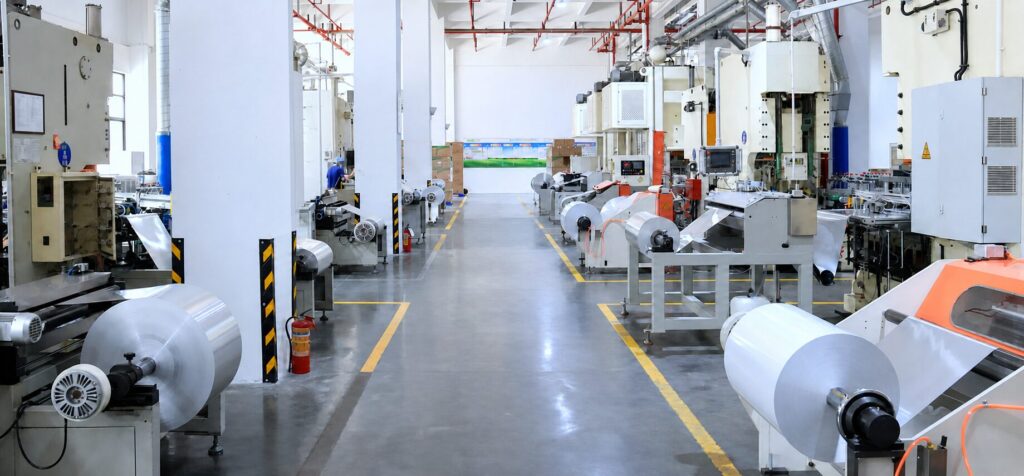
Einer der beeindruckendsten Aspekte der Fertigung ist der Umformprozess.
Große Aluminiumspulen werden in Präzisionsstanzanlagen zugeführt, wo das Material in einem kontinuierlichen Arbeitsgang geschnitten, gestreckt und zu einzelnen Kapselbechern geformt wird. Moderne Produktionslinien können stündlich Tausende von Kapseln herstellen und dabei enge Maßtoleranzen einhalten.
Die Kapsel mag in diesem Stadium zwar schon fertig aussehen, aber es liegt noch ein langer Weg vor ihr. Der Rand muss flach bleiben, die Wandstärke muss gleichmäßig sein, und jede Kapsel muss die gleichen Abmessungen aufweisen, damit sie später reibungslos auf automatischen Abfüllanlagen laufen kann.
Für Kaffeemarken ist Beständigkeit weitaus wichtiger als Schnelligkeit. Eine einzige gute Kapsel herzustellen, ist einfach. Bei der Herstellung von Hunderttausenden von Kapseln, die sich alle exakt gleich verhalten, kommt es auf die Erfahrung in der Fertigung an.
Viele Menschen entscheiden sich allein aufgrund des Aussehens für eine glatte, matte oder strukturierte matte Oberfläche.
Tatsächlich ist die Oberflächenbehandlung auch ein Teil der Produktpositionierung.
Eine glatte Oberfläche sorgt für ein klares, glänzendes Erscheinungsbild, das häufig von klassischen Kaffeemarken verwendet wird. Matte Oberflächen vermitteln einen weicheren, hochwertigeren Eindruck, während strukturierte, matte Oberflächen für optische Tiefe und eine unverwechselbare Haptik sorgen. Keine dieser Oberflächen verändert die Funktionsweise der Kapsel, doch sie beeinflussen die Wahrnehmung des Endprodukts durch die Verbraucher.
Bei Eigenmarken-Kaffeeprodukten ist die Oberflächenbeschaffenheit zu einer weiteren Möglichkeit geworden, Produkte voneinander abzuheben, ohne die Kapselstruktur selbst zu verändern.

Ein weit verbreiteter Irrtum ist, dass die Qualitätsprüfung erst nach der Produktion stattfindet.
In der Praxis überwachen die Hersteller den Prozess kontinuierlich.
Die Abmessungen werden während des gesamten Produktionsprozesses überwacht. Oberflächenfehler werden geprüft. Stichproben werden vermessen, um sicherzustellen, dass sie innerhalb der Fertigungstoleranzen liegen. Später, wenn die Kapseln mit den passenden Deckeln validiert werden, tragen Dichtheitsprüfungen und Lecktests dazu bei, zu bestätigen, dass das Verpackungssystem wie erwartet funktioniert.
Die Dichtheitsprüfung gewinnt zunehmend an Bedeutung, da Kapselkaffee auf eine zuverlässige Versiegelung angewiesen ist, um die Frische zu bewahren. Selbst eine gut gefertigte Kapsel kann ihre Funktion nicht ordnungsgemäß erfüllen, wenn der Versiegelungsprozess nicht einheitlich ist.

Sobald die Kapseln die Prüfung bestanden haben, werden sie sorgfältig verpackt, um Staub, Verformungen oder Verunreinigungen zu vermeiden, bevor sie die Abfüllanlage des Kunden erreichen.
Im Gegensatz zu fertigen Kaffeekapseln müssen leere Aluminiumkapseln vom Kaffeehersteller noch befüllt, versiegelt und verpackt werden. Das bedeutet, dass sie in genau demselben Zustand ankommen müssen, in dem sie das Werk verlassen haben.
Dies ist ein Grund, warum erfahrene Hersteller der Verpackung und dem Transport große Aufmerksamkeit schenken, anstatt sie als Nebensache zu betrachten.
Eine leere Kaffeekapsel aus Aluminium mag wie ein kleines Bauteil aussehen, doch sie beeinflusst fast jeden Schritt der Kaffeeproduktion.
Die Materialauswahl wirkt sich auf die Formgebung aus. Die Formgebung beeinflusst die Maßgenauigkeit. Die Maßgenauigkeit wirkt sich wiederum auf das Befüllen und Verschließen aus. Eine zuverlässige Versiegelung trägt dazu bei, die Frische des Kaffees zu bewahren, und das prägt letztendlich das Erlebnis des Verbrauchers.
Für Kaffeemarken geht es bei der Auswahl eines Kapselherstellers nicht nur um den Kauf von Verpackungen. Es geht darum, einen Produktionspartner zu finden, der in der Lage ist, über Tausende – oder sogar Millionen – von Kapseln hinweg eine gleichbleibende Qualität zu gewährleisten.
Literaturverzeichnis & Quellen

Spezialist für die Herstellung von Kaffeekapseln · Kervoo
Seit 2024
A buyer says they need private label coffee capsules. Another asks for OEM. A third uses both terms in the same email to describe exactly
A perfect sample is reassuring. It looks right. The color is right. It drops into the machine smoothly and brews without leaking. Put ten more

Eine gute Präsentation ist nicht gleichbedeutend mit stichhaltigen Belegen. Die Website, der Katalog und die Verkaufspräsentation eines Anbieters sind nützliche Ausgangspunkte. Sie können Ihnen Aufschluss geben über